


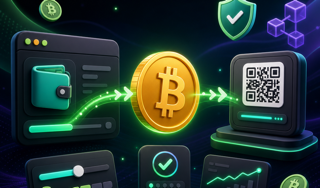
Sending Bitcoin to an online address looks simple: paste the address, enter the amount, and confirm the transfer. In practice, though, the details matter: where you are sending BTC from, how the fee is chosen, whether the address was copied correctly, and whether the recipient is ready to wait for the required number of confirmations.
Most common ways to send Bitcoin
You can send Bitcoin from a non-custodial wallet, from an exchange account, or through a service that holds your balance. In the first case, the user controls the fee and the keys. In the second, some parameters are set by the exchange itself, while the user chooses the network, amount, and withdrawal details.
What to check before sending
- that the address belongs to the Bitcoin network rather than another coin;
- that the address was copied in full and not replaced;
- that the fee matches the urgency of the transfer;
- that the recipient understands how many confirmations are required.
Typical mistake. A user looks only at the BTC amount and forgets about the network fee. As a result, the balance is not enough or the transfer gets stuck with a fee that is too low.
Step-by-step safe sending process
- Open the wallet or exchange you will use to send BTC.
- Get the recipient's address from a trusted source.
- Check the first and last characters of the address after pasting it.
- Review the final debit amount including the fee.
- If the address is new or the amount is significant, start with a test transfer.
- Save the txid after sending.
Fees and confirmations
The Bitcoin network fee affects how quickly a transaction is included in a block. When the network is busy, saving on the fee can noticeably increase the waiting time. Recipients such as exchanges, payment services, and OTC desks usually credit BTC not immediately, but only after a certain number of confirmations.
Stage | What matters | Risk of error |
|---|---|---|
Getting the address | Copy it from a verified source | Clipboard address replacement |
Setting the fee | Understand how urgent the transfer is | Serious confirmation delay |
Waiting for crediting | Take the recipient's rules into account | False alarm due to too few confirmations |
How to check the transaction after sending
After sending, use the txid and a blockchain explorer to check the status. This helps you quickly understand whether the transaction has reached the network, how many confirmations it already has, and whether the destination address matches.
Answers to frequently asked questions
Can a BTC transfer be canceled?
After it is confirmed on the network, no. That is why the address, amount, and fee should be checked before sending.
Do I need a test transfer?
For a new address or a large amount, this is a sensible practice: a small test can reveal a mistake before the main transfer.
Why might the transfer not be credited immediately?
Because both the Bitcoin network and the receiving service rely on confirmations. Even a confirmed transaction may still wait for internal processing.
Conclusion
Sending Bitcoin online safely is not just about clicking "Send". It is a short verification process: check the address, fee, confirmations, and use a test-first approach for a new address. That minute of checking is usually worth more than any rush.
