


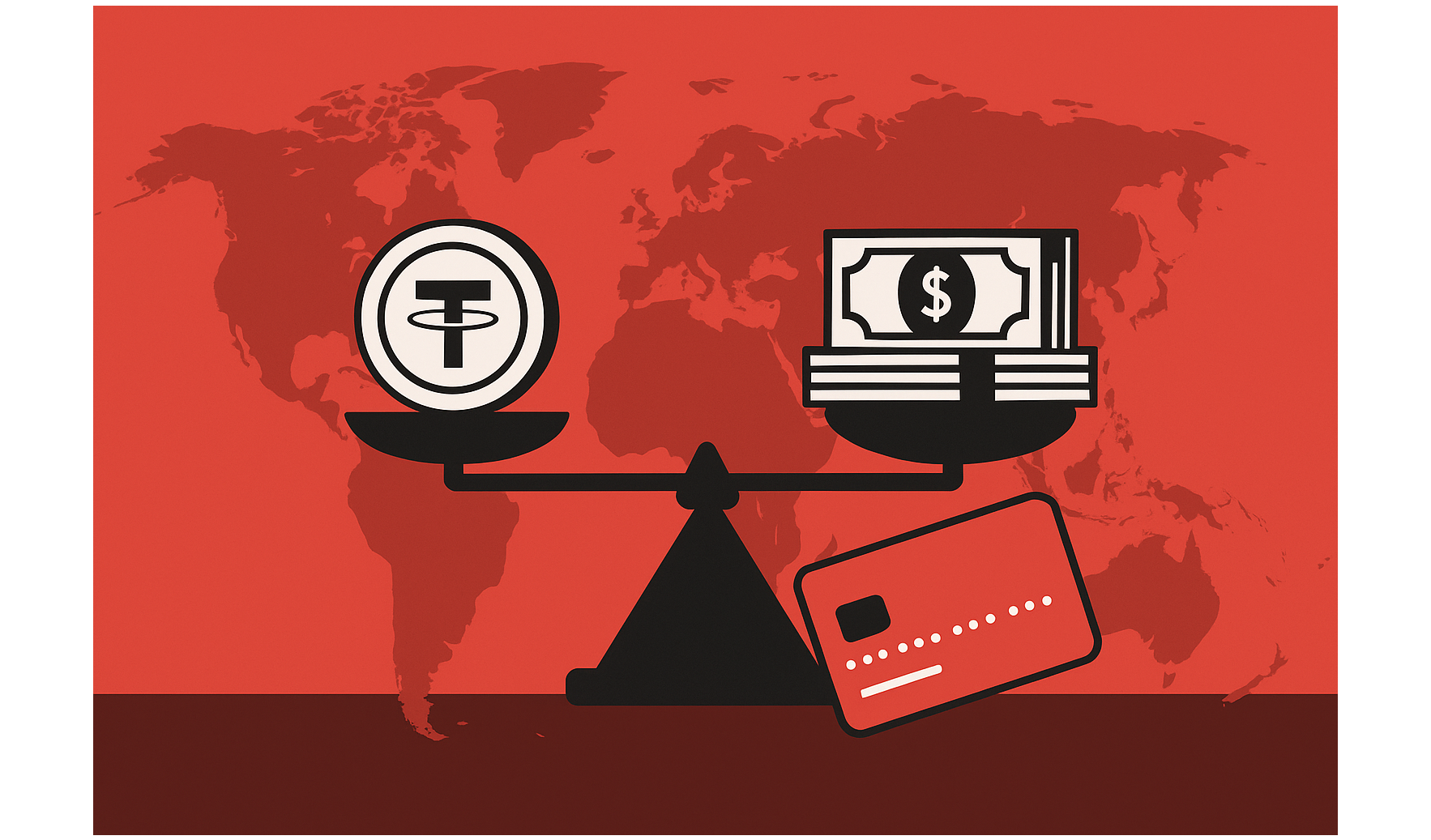
In a world where volatility is the norm, stability has become the gold of the digital era. Tether (USDT), the most well-known stablecoin, has evolved from a niche tool into one of the cornerstones of the crypto industry. Today, millions of users around the world deal daily with questions like: how to convert USDT to rubles, how to sell USDT for rubles, how to find the top crypto exchanges, perform a USDT exchange, or use a USDT exchanger for fast transactions. But what’s behind this phenomenon?
The History of USDT: From Concept to Global Domination
Tether Limited, the company behind USDT, was founded in 2014 by a group of crypto enthusiasts, including Brock Pierce, a well-known entrepreneur in the blockchain space. As he once stated:
“The goal of stablecoins is to bring stability to an unstable world of cryptocurrencies.”
(X, @brockpierce)
USDT was initially pegged to the US dollar at a 1:1 ratio. This meant that each token had to be backed by equivalent fiat reserves held in the company’s bank accounts. Tether became the first truly mass-market tool that allowed users to exchange USDT for dollars, euros, rubles, and other currencies within a single ecosystem.
Why USDT Became the Leader Among Stablecoins
As of the time of writing, USDT’s market cap exceeds $110 billion — more than any other stablecoin, including Circle’s USDC. Its popularity is driven by several clear advantages:
Versatility: USDT is traded on virtually every crypto exchange and supported by every major crypto exchange platform.
Transaction speed: Especially when operating on the Tron and Ethereum blockchains.
Accessibility: You can buy USDT easily on most platforms and P2P marketplaces — even if you're a beginner.
Fiat flexibility: Many users actively search for ways to transfer cryptocurrency to a bank card, wonder where to exchange USDT, or compare the best crypto exchangers.
Regulation in the EU: Red Flag or Growth Opportunity?
In 2023, the European Union implemented the MiCA regulation (Markets in Crypto-Assets), which set new standards for stablecoin issuers. Here’s where Tether hit a roadblock: unlike its competitor USDC, Tether is not registered as a financial entity in the EU.
Several platforms temporarily limited operations with USDT. But Tether CTO Paolo Ardoino responded confidently:
“We are always ready to work with regulators, but our mission is to prevent bureaucracy from killing the freedom of digital assets.”
(X, @paoloardoino)
Despite the pressure, USDT strengthened its market position — especially in countries with strict currency controls, such as Turkey, Argentina, Russia, and CIS nations, where USDT exchange through online crypto exchangers is a daily practice.
USDT vs USDC: Trust vs Regulation
While both USDT and USDC are pegged to the US dollar, there are several key differences between them. USDT is issued by Tether Limited, while USDC is managed by Circle — a company registered in the U.S. and working closely with U.S. regulators.
USDC is considered more transparent, with regularly audited reserves and monthly reports. In contrast, Tether’s reports have been more selective and often criticized within the crypto community.
USDT also supports a broader range of blockchains — including Ethereum, Tron, Solana, Avalanche, and more. USDC is more concentrated on Ethereum, Solana, Base, and a few other chains.
Despite USDC’s regulatory clarity, USDT dominates in real-world usage, particularly in emerging markets. It remains the top choice for online cryptocurrency to ruble exchange and daily fiat-crypto transactions through crypto exchange services.
How and Where to Use USDT: From Buying to Ruble Withdrawals
Today, buying USDT is one of the most common entry points into the crypto world. After purchasing, users often want to exchange USDT to rubles — and there are plenty of options:
Via a USDT exchanger with automatic rate calculation and card support;
On P2P platforms with instant trade execution and buyer protection;
Through crypto exchangers offering fast fiat withdrawals to local cards.
If you need to convert crypto to rubles, use only top-rated crypto exchangers, check reviews, and compare rates. Most services now support USDT to ruble withdrawals in just minutes — all you need is a verified account and a linked bank card.
The Future of USDT: Strategy, Risk, and Innovation
Despite increased regulatory scrutiny, Tether is pushing forward with innovation. In 2024, the company launched the Tether Power initiative — a platform investing in energy and mining infrastructure. Tether is also actively investing in DeFi and digital settlements.
Still, not everyone is convinced. Crypto influencer Ben Armstrong (BitBoy Crypto) warned:
“USDT is not just the leader — it’s also the most fragile piece of the crypto economy. If something happens to it, the consequences will be global.”
(X, @Bitboy_Crypto)
For now, however, USDT holds firm as a key asset. More and more users choose it daily — whether to exchange USDT, buy USDT, or simply store their digital wealth in a stable currency.
Conclusion
USDT is more than a digital dollar. It’s a financial bridge between fiat and crypto. It brings stability to a volatile market and offers users the flexibility they need — from figuring out how to convert USDT to rubles, to choosing a reliable USDT exchanger, or making everyday payments with digital assets.
In a world speeding toward tokenized economies and tighter oversight, Tether stands as one of the most resilient projects. And if you want to be part of that digital future, don’t forget to explore the best crypto exchange platforms and use a crypto exchanger online to stay one step ahead.
