


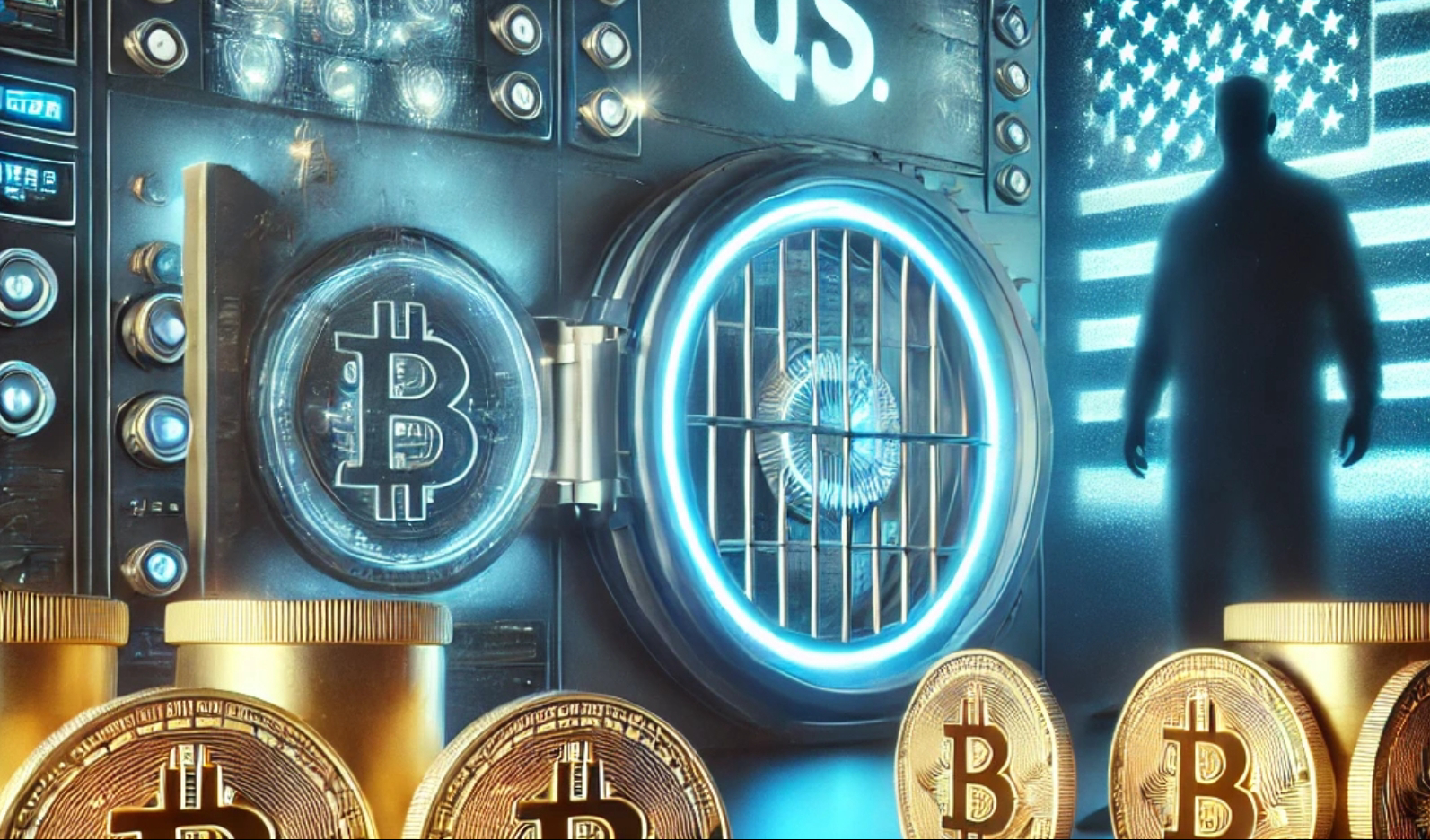
America has long kept its hand on the financial pulse of the world. Gold, dollars, bonds—time-tested instruments of power. But the 21st century has brought a new reality: digital assets. Blockchain, once a technological pastime for enthusiasts, has turned into a weapon of financial warfare. And now, hidden in secret wallets, among long chains of anonymous transactions, the digital reserves of the world’s most powerful nation may be resting in silence.
Digital Gold in the Hands of a Superpower
Some believe that the U.S., while actively regulating the crypto industry, is not aiming to destroy it but rather to accumulate resources. Seized bitcoins from illegal platforms, confiscated assets from cybercriminals, covert operations by the FBI and the Treasury—all of this, drop by drop, could be filling the nation’s strategic reserve.
In 2022, U.S. authorities confiscated a record-breaking 94,636 BTC linked to the Bitfinex exchange hack. In 2021, they seized 70,000 BTC from criminal organizations. These figures are staggering—amounting to billions of dollars. But the key question remains: are all these assets sold off, or does a portion remain in the shadows?
Where Are the Digital Reserves Stored?
The U.S. does not officially disclose its strategy for managing cryptocurrency assets. However, it is known that confiscated bitcoins are handled by the U.S. Marshals Service. In theory, they auction off seized assets, but in practice, not all coins re-enter the market.
Some analysts speculate that the U.S. Treasury and the Federal Reserve are studying bitcoin’s potential as a digital reserve, one that could serve as a "parachute" in a financial crisis. If the dollar were to lose its status as the global reserve currency and inflation spiraled out of control, crypto assets might become an unexpected trump card. Or, an entirely different scenario could unfold in today’s financial reality.
Control or Dependence?
But if the U.S. is indeed building crypto reserves, this presents not only an opportunity but also a risk. Bitcoin, unlike the dollar, cannot be printed—its supply is limited. This makes it beyond the control of even the most powerful global regulators.
The idea that the U.S. might one day rely on bitcoin reserves to save its economy seems far-fetched. Yet, in a world where digital assets are becoming increasingly significant, any nation that ignores this resource may one day fall behind.
Blockchain sees everything. Perhaps, one day, researchers will uncover hidden billions in cold wallets, stored in America's digital treasury. The only question is: when will this trump card be played?
Also recomended to read Bitcoin and Gold: The Digital Evolution of Value
