


What is Digital Literacy?
In the 21st century, digital literacy has become as essential as reading or math. It is the ability to effectively use digital devices, understand how the internet works, protect personal data, and stay informed about emerging technologies — from artificial intelligence to blockchain. Digital literacy is not just a skill but a tool that opens doors to new opportunities: in education, work, business, and personal security.
Blockchain: Essence and Potential
Blockchain is a distributed ledger technology that allows data to be recorded and stored transparently, securely, and without intermediaries. Initially developed as the foundation for Bitcoin cryptocurrency, blockchain has moved far beyond the financial sector. Each record on a blockchain is a block linked to the previous one, forming a chain that cannot be altered retroactively. This makes the technology reliable and trustworthy.
Why is it Important to Understand Blockchain?
More and more people are using cryptocurrencies, decentralized exchanges, and Web3 applications. Understanding the basics of blockchain helps prevent fraud and financial loss. Today, digital literacy is especially important for ensuring safety when dealing with cryptocurrencies. Knowing the principles of cybersecurity, recognizing phishing websites, and choosing a trusted crypto exchange are essential skills for every user.
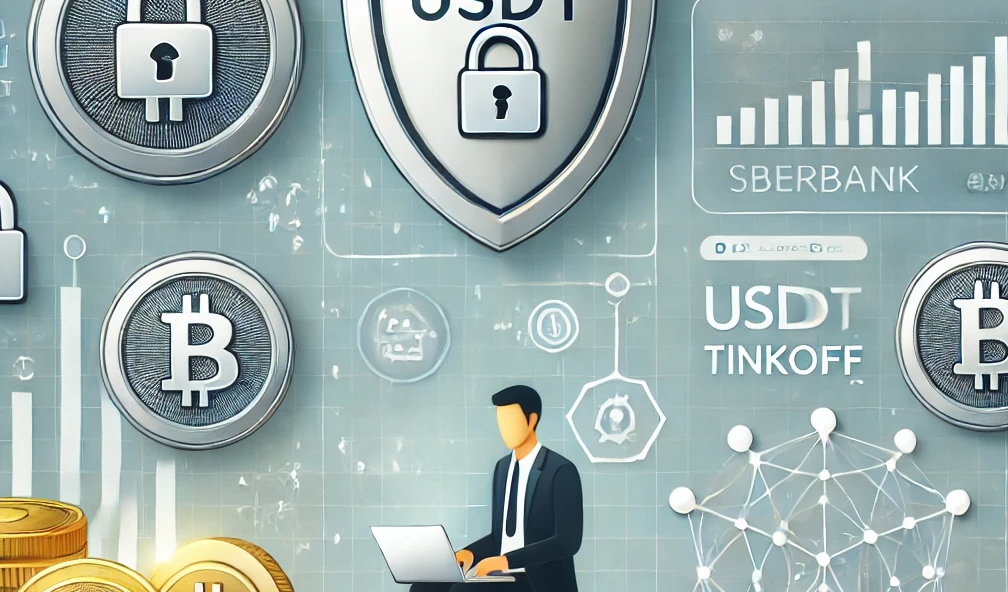
When you need to exchange Tether to Sberbank or make a Bitcoin exchange to Tinkoff, it's crucial to use only reliable platforms with positive reviews and transparent terms. Following basic rules — such as enabling two-factor authentication, checking website URLs, and protecting personal data — helps prevent losses and ensures secure transactions, including USDT to Tinkoff exchange.
Blockchain is one of the fastest-growing industries. Digitally literate professionals familiar with the technology are in demand in IT, finance, and even law. Blockchain can give individuals control over their personal information, reducing reliance on large corporations. It enables product traceability, document verification, and fair elections.
How to Improve Digital Literacy in Blockchain?
Educational Platforms: Coursera, edX, Binance Academy, Cointelegraph Learning, and others.
Visual Programming Languages: Tools like Scratch and Catrobat allow children and teens to model simple blockchain processes.
Practice: Creating a crypto wallet, making test transactions, and exploring smart contracts on test networks.
Digital literacy is the key to a world where technology is constantly evolving. Blockchain is not just a buzzword, but a foundational technology capable of reshaping interactions between individuals, organizations, and governments. To stay relevant, it's important not only to use digital products but to understand how they work. That means learning — in time and with curiosity.
Digital Literacy and Blockchain How to Understand the Technologies of the Future
16 Apr 2025

Other news
News
27.02.2026
News
27.02.2026
News
27.02.2026
News
27.02.2026
News
27.02.2026
News
27.02.2026
Start an exchange
Subscribe to our Telegram
